

New Eco-Safe Ice Melt and Organic Soil Care Solutions for Healthier Lawns
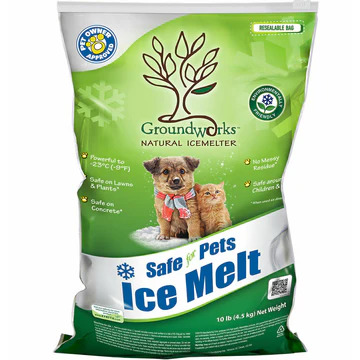
ice melt safe for lawns

organic fertilizer company

Arctic Eco Green Ice Melter Pallets
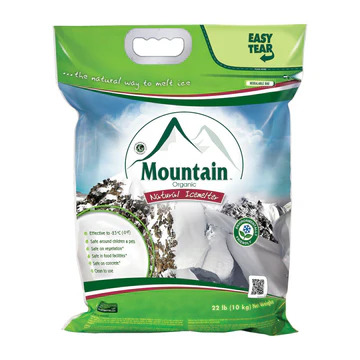
ice melt safe for concrete and pets

organic farming vermicompost supplier
Growing demand for eco-conscious turf care and soil management highlights a shift toward sustainable materials and healthier ecosystems.
BRANFORD, CT, UNITED STATES, January 13, 2026 /EINPresswire.com/ -- Industry Attention Shifts Toward Environmentally Responsible Turf and Soil ManagementRecent developments in turf management and soil care have drawn attention to materials and practices designed to reduce environmental impact while maintaining functional performance. Across landscaping, agriculture, and municipal maintenance sectors, professionals are increasingly evaluating products such as ice melt safe for lawns, inputs offered by an organic fertilizer company, and materials supplied by an organic farming vermicompost supplier. These categories reflect a broader industry focus on soil health, turf resilience, and compatibility with ecological systems.
The shift is influenced by growing awareness of how conventional materials may affect soil structure, plant health, and surrounding ecosystems. Research, field observations, and long-term soil management data are contributing to more informed decision-making among landscapers, turf managers, and agricultural operators. Rather than emphasizing speed or short-term results, current discussions highlight sustainability, measured inputs, and compatibility with living soil systems.
Lawn and Turf Management Under Changing Environmental Conditions
Turf and lawn care professionals operate under increasingly complex conditions that require careful planning and technical awareness. Shifts in seasonal weather patterns have made maintenance schedules less predictable, with sudden temperature changes, extended freeze-thaw cycles, and irregular precipitation affecting turf performance. Soil compaction remains a persistent issue, particularly in high-traffic areas such as commercial properties, walkways, and recreational spaces. Compacted soils restrict root growth, limit oxygen availability, and reduce water infiltration, all of which can weaken turf over time. Nutrient depletion is another ongoing concern, often resulting from repeated mowing, surface runoff, and inadequate replenishment of organic matter. In addition, chemical residue accumulation from past treatments can alter soil chemistry and disrupt microbial activity, creating long-term management challenges.
Winter maintenance introduces a distinct set of risks that extend beyond surface safety. Ice control practices are necessary to reduce slip hazards, yet the materials used can influence turf health, soil structure, and nearby water systems. During snow and ice events, repeated applications of deicing products may migrate beyond paved surfaces into adjacent lawns and landscaped areas. Once in the soil, these materials can affect moisture balance and biological processes, particularly during periods when turf is already under stress.
Traditional ice control products have been associated with changes in soil salinity, which can interfere with water uptake by plant roots. Elevated salt levels may lead to root dehydration, delayed spring green-up, and increased susceptibility to disease. Runoff from melting snow and ice can also carry soluble compounds into storm drains and groundwater, raising broader environmental concerns. These factors have prompted industry stakeholders to examine alternatives commonly described as ice melt safe for lawns.
Materials in this category are formulated to reduce the likelihood of turf injury and soil imbalance when applied according to established guidelines. Their evaluation typically considers application rate, temperature performance, and how long residues remain in the soil. Compatibility with soil biology is another important factor, as microbial communities play a key role in nutrient cycling and soil structure. While no ice control material is entirely without impact, newer approaches emphasize reduced chloride content, controlled solubility, and minimized accumulation within soil profiles, supporting a more measured approach to winter turf management.
Ice Melt Safe for Lawns as a Functional Category
The term ice melt safe for lawns is commonly used to describe ice control products designed to limit damage to grass, ornamental plants, and soil structure. Industry assessments typically focus on how these materials interact with turf roots, soil aggregates, and microbial populations.
Professionals reviewing these products consider several criteria:
● Impact on soil electrical conductivity and salinity levels
● Potential for plant desiccation or root burn
● Residual presence after snow and ice events
● Compatibility with organic turf management programs
In practice, lawn-safe ice melt materials are often integrated into broader winter maintenance plans that include calibrated spreading equipment, site-specific application rates, and post-season soil evaluation. These measures aim to balance public safety needs with long-term turf and soil health.
Organic Soil Care Gains Ground in Professional Use
Beyond winter maintenance, soil care practices continue to evolve across agriculture, landscaping, and horticulture. The role of organic inputs in building soil structure and nutrient cycling is a central topic in industry discussions. An organic fertilizer company typically focuses on materials derived from natural sources, emphasizing soil biology and gradual nutrient availability.
Organic fertilizers are evaluated not only for nutrient content but also for their influence on microbial activity, organic matter accumulation, and soil water retention. Unlike synthetic inputs designed for immediate nutrient release, organic materials are often incorporated into long-term soil management strategies.
Professionals working with organic fertilizers monitor indicators such as:
● Soil organic matter percentage
● Microbial diversity and activity
● Nutrient availability over time
● Root development and plant vigor
These metrics help determine how organic inputs contribute to soil resilience under stress conditions such as drought, heavy use, or temperature extremes.
The Role of an Organic Fertilizer Company in Soil Systems
An organic fertilizer company typically operates within a framework that prioritizes material sourcing, formulation integrity, and compatibility with organic standards. In professional settings, such companies often support soil testing, nutrient planning, and application timing to align inputs with plant needs.
The use of organic fertilizers is commonly associated with reduced nutrient leaching and improved soil aggregation. Over time, consistent application may contribute to more stable soil ecosystems. However, industry guidance emphasizes that results depend on proper product selection, accurate application rates, and site-specific conditions.
Organic fertilizer programs are frequently integrated with other soil care practices, including aeration, compost incorporation, and biological amendments. This systems-based approach reflects a broader understanding of soil as a living environment rather than an inert growing medium.
Vermicompost and Its Expanding Use in Organic Farming
Vermicompost has become an area of interest within organic farming and soil regeneration discussions. An organic farming vermicompost supplier provides materials produced through the breakdown of organic matter by earthworms, resulting in a biologically active soil amendment.
Vermicompost is evaluated for its physical, chemical, and biological properties. Industry observations often note its fine texture, microbial content, and potential role in nutrient cycling. While nutrient concentrations may be lower than some fertilizers, vermicompost is commonly valued for its contribution to soil structure and microbial diversity.
Applications of vermicompost vary by sector and may include:
● Soil blending for turf and landscape installations
● Row crop and specialty crop production
● Greenhouse and nursery operations
● Compost teas and soil drenches
Professionals typically assess vermicompost quality based on feedstock sources, processing methods, and consistency across batches.
Soil Health as a Long-Term Management Objective
Across turf, landscaping, and agriculture, soil health has emerged as a central management objective rather than a secondary consideration. Professionals across these sectors increasingly recognize that soil functions as a living system, not merely a growing medium. This perspective places equal importance on physical structure, chemical balance, and biological activity. Compaction, nutrient imbalance, and reduced microbial diversity are now widely understood as interconnected issues that directly affect plant performance and long-term land usability. As a result, materials supplied by an organic fertilizer company or an organic farming vermicompost supplier are commonly assessed within this broader system-based framework, rather than being viewed as isolated inputs.
Soil health frameworks promote a move away from high-input, short-term corrective measures that may deliver immediate visual results but contribute to longer-term degradation. Instead, they emphasize gradual improvement through consistent organic matter additions, support for beneficial soil organisms, and ongoing observation. Organic inputs are typically selected for their ability to contribute to soil aggregation, nutrient cycling, and biological resilience. Monitoring tools such as soil testing, organic matter analysis, and field observations are used to track progress over time, allowing adjustments to be made based on measured conditions rather than assumptions.
Research across multiple disciplines supports this approach. Studies have shown that soils with improved structure and biological activity tend to demonstrate better nutrient efficiency, allowing plants to access available resources more effectively. Improved aggregation enhances water infiltration and retention, reducing runoff and erosion risks. Additionally, biologically active soils are often better equipped to buffer plants against stress caused by temperature extremes, drought, or heavy use. These outcomes are particularly relevant in managed landscapes and agricultural systems where soil is subject to repeated disturbance.
Seasonal practices are increasingly evaluated through the lens of soil health as well. Winter management, including the use of ice melt safe for lawns, is now considered part of the annual soil care cycle. Materials applied during cold months can alter soil chemistry, structure, and microbial activity, with effects that persist into spring and summer. Decisions made during winter, therefore, play a role in shaping soil conditions for the following growing season. This integrated view reinforces the importance of aligning all management practices, year-round, with long-term soil health objectives.
Technical Oversight and Evidence-Based Practices
Industry professionals increasingly rely on technical data and field experience when selecting soil and turf inputs, particularly as management decisions are expected to meet both performance and environmental standards. Rather than depending on generalized claims or short-term observations, many decision-makers review products and programs in relation to peer-reviewed research, extension service guidance, and results from multi-year field trials. These sources provide structured data on nutrient availability, soil response, and long-term effects, allowing professionals to assess how specific inputs perform under varying conditions.
Peer-reviewed studies and university extension resources are often used to evaluate how organic materials interact with soil chemistry and biology. Field trials conducted over several seasons offer additional insight into consistency, adaptability, and potential limitations. By examining outcomes across different climates, soil types, and usage patterns, professionals can better understand how inputs may perform beyond controlled environments. This approach supports informed selection and reduces uncertainty in long-term planning.
Organizations operating in this space may support users by providing technical documentation, detailed application guidelines, and consulting services. These materials typically outline recommended use rates, timing considerations, and compatibility with other management practices. Access to this information helps users align product use with established agronomic principles and applicable regulatory requirements. In regulated environments, accurate documentation also assists with recordkeeping, compliance, and reporting obligations.
Clear labeling, accurate material descriptions, and transparent sourcing are considered essential components of responsible distribution. Professionals often review product labels and supporting data to confirm ingredient composition, nutrient analysis, and origin. Transparency in sourcing and processing allows users to evaluate consistency and suitability for specific programs, including those guided by organic or sustainability standards.
The emphasis on evidence-based practices reflects a broader shift away from anecdotal claims toward measurable and repeatable outcomes. Tools such as soil testing, tissue analysis, and ongoing performance tracking are commonly used to evaluate the effectiveness of organic inputs over time. These methods provide quantifiable benchmarks that can be compared across seasons, enabling adjustments based on observed results. Through continuous monitoring and data review, professionals aim to refine management practices in a way that supports soil function, plant health, and long-term system stability.
Industry Collaboration and Knowledge Sharing
Collaboration among scientists, agronomists, turf managers, and suppliers plays a meaningful role in the ongoing development of soil care practices across agriculture, landscaping, and turf management. Each group brings a distinct perspective shaped by research, field experience, and operational realities. Scientists contribute data-driven insights into soil chemistry, biology, and plant interactions. Agronomists translate research findings into practical recommendations. Turf managers provide real-world feedback based on daily maintenance challenges, while suppliers help ensure that materials and formulations align with technical and regulatory standards.
Knowledge sharing occurs through multiple professional channels, including industry conferences, peer-reviewed research publications, extension programs, and field demonstrations. These forums allow professionals to examine outcomes, compare methodologies, and assess performance under varying conditions. Field demonstrations, in particular, offer opportunities to observe soil and turf responses over time, helping practitioners understand how different inputs behave in real-use environments. This collective exchange of information supports more consistent decision-making and reduces reliance on unverified assumptions.
Discussions surrounding ice melt safe for lawns, organic fertilizers, and vermicompost often focus on balancing functional requirements with environmental considerations. For example, winter safety demands effective ice control, while soil stewardship requires minimizing long-term damage to turf and soil structure. Similarly, organic fertilizers and vermicompost are evaluated not only for nutrient content but also for their influence on soil biology, nutrient cycling, and application efficiency. These conversations recognize that no single solution fits every site or condition, and that trade-offs are sometimes necessary.
Importantly, such discussions are typically grounded in measurable data, field observations, and documented outcomes rather than generalized claims. Participants acknowledge limitations, application constraints, and regional differences that may affect performance. This approach encourages practical problem-solving while maintaining accountability and transparency.
As regulatory frameworks, environmental standards, and land-use expectations continue to evolve, ongoing dialogue among stakeholders is expected to influence future soil care practices. Clear communication helps align product development, application guidelines, and compliance efforts with emerging requirements. Over time, sustained collaboration is likely to support more adaptive, informed, and responsible approaches to soil and turf management across professional sectors.
About Green Earth Ag and Turf
Green Earth Ag and Turf has been engaged in the wholesale distribution of organic products for plants, trees, and turf across the United States for approximately fifteen years. The organization describes its work as being centered on organic agriculture, horticulture, and turf care, with an emphasis on approaches that support soil function and long-term land management. Its operations are positioned within professional markets that include agriculture, commercial landscaping, and managed turf systems.
The organization was founded by scientists and continues to be operated by individuals with scientific training. According to Green Earth Ag and Turf, this background informs how products are selected, evaluated, and supported. The company notes that its internal structure is supplemented by technical advisers and field representatives located throughout the country, allowing for regional knowledge and site-specific considerations when addressing soil and plant management challenges.
Green Earth Ag and Turf reports maintaining an extensive portfolio of organic products intended to address a wide range of soil and plant requirements. These materials are described as being used in applications involving turf, ornamental landscapes, and agricultural production systems. The organization states that its product offerings are paired with technical experience and consulting services, which are intended to assist clients in identifying appropriate materials, application methods, and timing based on individual site conditions. This support may also include assistance in developing structured treatment programs rather than relying on single-input solutions.
According to the organization, its experience includes work with soil health practices focused on improving soil structure, nutrient availability, and biological activity. These practices are described as aiming to reduce overall input requirements, support consistent yields, and manage long-term costs. Green Earth Ag and Turf indicates that its approach emphasizes understanding soil systems over time, rather than short-term corrective measures.
The organization states that its team collectively brings decades of experience across commercial landscaping, agriculture, and horticulture sectors. It reports that all products are researched and supported internally, with ongoing technical and consulting assistance available for clients implementing growing or treatment programs.
Joe Magazzi
Green Earth Ag & Turf
+1 (866) 374-5101
info@GreenEarthAgAndTurf.com
Visit us on social media:
Facebook
YouTube
Ice Melt Video
Legal Disclaimer:
EIN Presswire provides this news content "as is" without warranty of any kind. We do not accept any responsibility or liability for the accuracy, content, images, videos, licenses, completeness, legality, or reliability of the information contained in this article. If you have any complaints or copyright issues related to this article, kindly contact the author above.
