

Freshers are Seven Times More Likely to Contract Meningococcal Disease Than Young Adults who don’t go to University
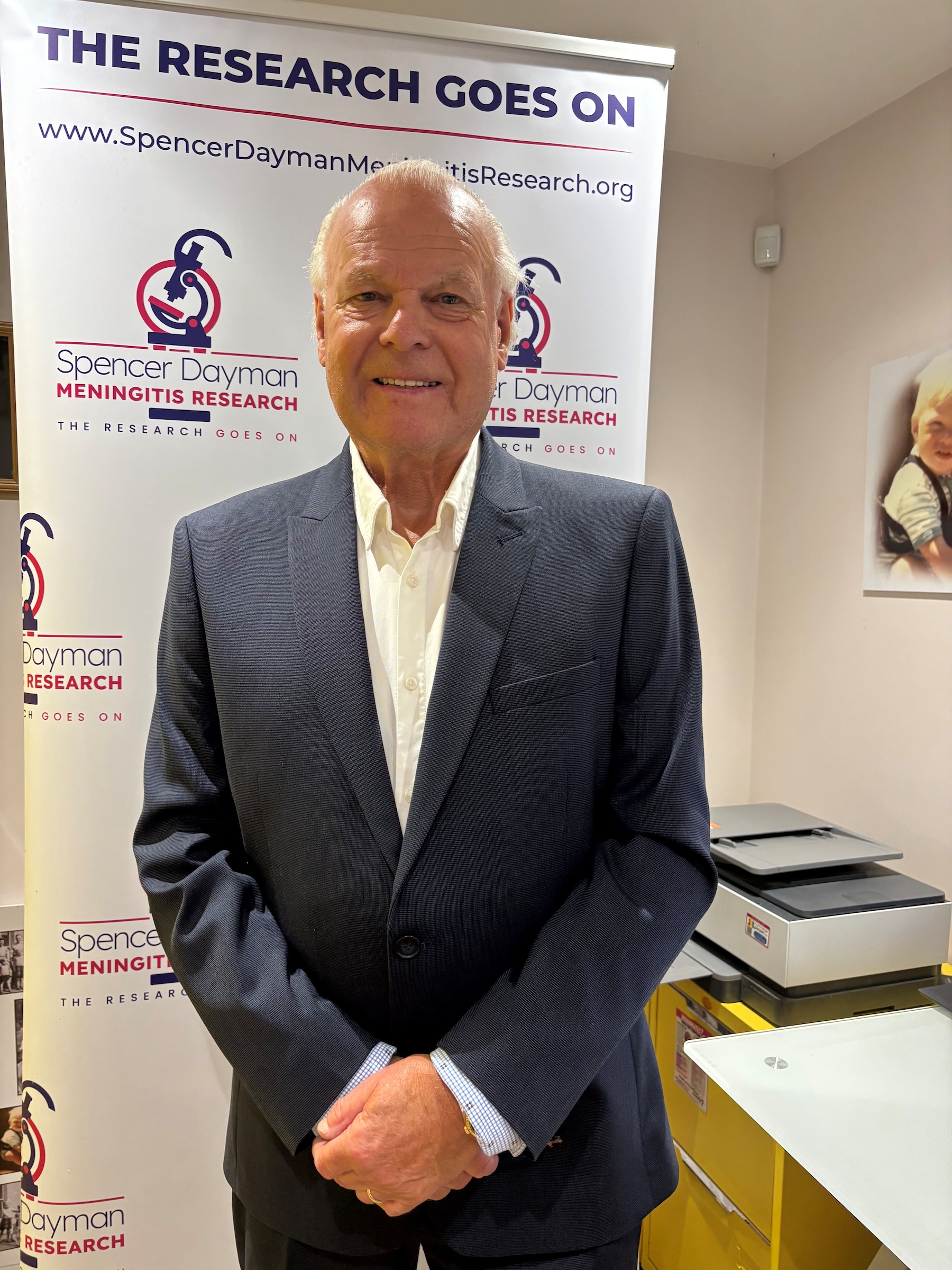
Dr Steve Dayman
The increased risk is linked to close social contact, shared accommodation and exposure to new social groups.
Meningitis B (MenB) remains the dominant strain of meningococcal disease affecting young people. It was responsible for 97% of invasive meningococcal cases in 15 to 24-year-olds (93 of 96 cases) in England during 2025 to 2026, according to UKHSA reports.
To help improve awareness of the warning signs, the Spencer Dayman Meningitis Research charity has developed a free symptom card and dispenser for use in schools, universities, workplaces, GP surgeries, libraries and community settings.
Dr Steve Dayman, founder of the Spencer Dayman Meningitis Research charity and the UK’s Meningitis Movement, explains, “Meningitis and sepsis can strike quickly and symptoms can appear in any order. It is vital that parents and young people know what to look for. Symptoms can be hard to spot or may initially resemble flu or a hangover.
“Early diagnosis and treatment can mean the difference between life and death. I know of numerous cases where recognising symptoms early enabled people to receive life-saving treatment.”
Dr Dayman has spent more than 40 years driving meningitis vaccine development, research and awareness-raising. He introduced and promoted the diagnostic Tumbler Test to the public in 1991.
He encourages students, parents, lecturers, teachers and employers to carry a symptom card. It could save a life.
Young people are eligible for the NHS’s time-limited two-dose MenB vaccination this autumn. Visit Book a MenB vaccination appointment - NHS to find out more.
To support awareness campaigns, the charity is offering free symptom cards and dispensers to universities, schools, workplaces, GP surgeries and community organisations.
To receive free symptom cards and dispensers, contact:
info@spencerdaymanmeningitisresearch.org
Digital posters, cards and leaflets covering meningitis and sepsis are available at:
https://www.spencerdaymanmeningitisresearch.org/meningitis-explained/downloads/
----
About meningitis and sepsis
Meningococcal disease can cause meningitis, sepsis or both together.
Recognising the symptoms of each can help people seek urgent medical attention sooner.
MenB was the leading cause of invasive meningococcal disease across almost all age groups under 25, the latest Invasive Meningococcal Disease (IMD) government report shows.
Vaccination is helping to reduce cases of meningococcal disease but does not protect against every type of meningitis or every cause of sepsis.
Research shows that teenagers and adolescents are more likely to carry meningococcal bacteria and are therefore at increased risk of spreading the infection. Up to 1 in 4 teenagers carry meningitis-causing bacteria in the back of their throats, compared to 1 in 10 people in the general population.
As well as being potentially fatal, meningitis can leave those infected with long-term health conditions, including hearing or vision loss, and difficulties with memory and movement.
Key symptoms of meningitis and sepsis
Symptoms can appear in any order and not everyone will experience every symptom. Seek urgent medical advice if meningitis or sepsis is suspected.
• Fever
• Severe headache
• Stiff neck
• Sensitivity to light
• Confusion
• Drowsiness
• Rash that does not fade under pressure
• Cold hands and feet
• Rapid breathing
- Ends -
Notes to editors:
Spencer Dayman Meningitis Research charity
Established in 2023, the Spencer Dayman Meningitis Research charity builds on more than 40 years of work in meningitis research, awareness and advocacy. The charity funds innovative research into vaccines against meningitis-causing bacteria and Streptococcal infections associated with serious illnesses including bacterial meningitis and sepsis.
The charity is led by Dr Steve Dayman, founder of the UK’s Meningitis Movement, and is supported by a panel of medical experts.
Dr Dayman has dedicated more than four decades to raising awareness of meningitis after losing his son, Spencer, to bacterial meningitis and sepsis at just 14 months, in 1982. After Spencer’s death, Dr Dayman set up the Meningitis Research Appeal, the first charity to represent meningitis.
Initially he was told by the meningitis scientific fraternity that he would not see a meningitis vaccine in his lifetime. There are now five vaccines in the UK national vaccination programme.
He has been involved in many meningitis charities and research efforts over the past 40 years and received an MBE for services to healthcare in 2011 and an honorary doctorate from University of Bristol in 2014.
The Spencer Dayman Meningitis Research Charity was established in his son’s memory and aims to improve prevention and early diagnosis of these life-threatening conditions.
The charity has already committed more than £500,000 to research programmes focused on vaccines, which will primarily be used to research at the Spencer Dayman Research Laboratories at the University of Bristol. These are destined to protect children, adolescents and vulnerable adults against meningitis and Streptococcal infections, as well as to establish a groundbreaking ‘Sepsis Diagnosis in 5 Minutes’ test.
https://www.spencerdaymanmeningitisresearch.org
Interviews with Dr Steve Dayman are available on request, at flexible times and short notice
Notes:
1. Research shows that teenagers and adolescents are more likely to carry meningococcal bacteria and are at increased risk of spreading the infection (source: https://www.gov.uk/guidance/meningococcal-carriage-and-infection-technical-background)
2. 313 confirmed MenB cases in England in 2024-25 (source: UK Health Security Agency (UKHSA) https://www.gov.uk/government/news/vaccination-crucial-as-meningitis-cases-increase)
3. Up to 1 in 4 teenagers are carrying meningitis-causing bacteria in the back of their throats, compared to 1 in 10 in the general population (source: https://vaccineknowledge.ox.ac.uk/meningococcal-disease#How-is-it-passed-on)
4. Sepsis affects an estimated 245,000 people in the UK each year and contributes to around 48,000 to 50,000 deaths annually (source: https://sepsistrust.org/about-sepsis/references-sources/)
5. This year’s NHS vaccination programme is available for teenagers aged 17 or 18 who are born between 1 September 2007 and 31 August 2008, and young people aged 24 or under who are starting university or some types of residential further education for the first time. (source: https://www.nhs.uk/conditions/meningitis/)
Media enquiries and interviews, contact:
Catherine Dhanjal
TheAnswer Ltd
Catherine.dhanjal@theanswer.ltd
Legal Disclaimer:
EIN Presswire provides this news content "as is" without warranty of any kind. We do not accept any responsibility or liability for the accuracy, content, images, videos, licenses, completeness, legality, or reliability of the information contained in this article. If you have any complaints or copyright issues related to this article, kindly contact the author above.
